


Green Tea Extract in Color Cosmetics and Makeup: Formulation, Stability and Claim Boundaries
Green tea extract is used in color cosmetics as an antioxidant and soothing botanical, but its natural yellow-brown tint and catechin sensitivity require careful shade, pigment and stability control. Standard water-soluble extract suits aqueous or emulsion makeup such as liquid foundation and BB cream; anhydrous lipstick and stick formats require an oil-compatible green tea ingredient or green tea wax / oil-soluble extract.
Makeup products must still meet finished-product stability, preservation and claim substantiation requirements. Antioxidant or anti-pollution claims must be verified on the finished cosmetic, not inferred from raw-material EGCG content alone.
Written by Blueeyes Bio Technical Content Team
Publisher: Blue Eyes Biotech Co., Ltd.
Technical scope: color cosmetics formulation, pigment compatibility, makeup stability, preservation and cosmetic claim substantiation.
1. Why Green Tea Extract Is Used in Color Cosmetics
Color cosmetics include foundation, BB cream, CC cream, cushion cream, concealer, lipstick, lip balm, blush and stick formats. When formulating makeup with cosmetic grade green tea extract, brands usually position the ingredient as an antioxidant and skin-conditioning botanical that supports “clean beauty,” “urban protection” or “comfort” claims.
Green tea extract comes from Camellia sinensis leaf, with epigallocatechin gallate (EGCG, CAS 989-51-5) as the major catechin. Supplier ingredient dossiers list functions such as antioxidant, anti-aging and whitening/brightening support, and indicate application in color cosmetics and lipstick [4]. Standardized green tea extract is water-soluble and can be incorporated into aqueous gels, emulsions and water-containing makeup bases.
Formulation guides also describe several green tea-derived cosmetic ingredients: green tea extract powder (water-soluble polyphenols), green tea seed oil (nourishing lipid), green tea wax (emollient, protective, used in lip balms, creams, lotions and solid stick balms, contributing smooth texture and a natural green colour), and green tea glycerite (glycerin-based maceration) [1]. The wax and oil forms are more relevant to anhydrous makeup, while the powder/extract form is relevant to emulsion makeup.
2. Makeup Formats and Solubility Selection
The correct green tea form depends on whether the makeup system is aqueous, emulsion-based or anhydrous:
| Makeup Format | Suitable Green Tea Form | Formulation Note | Stability / Color Note |
|---|---|---|---|
| Liquid foundation / BB / CC cream | Standard water-soluble green tea extract. | Add to water phase; suitable for O/W or W/O emulsions with pigments. | Natural tint may shift light shades; monitor ΔE colour change. |
| Cushion / gel cream | Standard water-soluble extract or encapsulated EGCG. | Light texture; encapsulated form helps reduce catechin–pigment interaction. | Preservative efficacy is required for water-containing systems (ISO 11930). |
| Lipstick / lip balm / stick | Oil-compatible green tea extract, oil-soluble polyphenols, or green tea wax / seed oil. | Standard hydrophilic powder is NOT suitable for direct addition to anhydrous oils/waxes. | Anhydrous systems have lower microbial risk (ISO 29621) but still need oxidation and colour stability testing. |
| Light-shade or white makeup | Decolorized green tea extract or encapsulated EGCG. | Used where minimal colour impact is required. | Helps manage the natural yellow-brown tint of standard extracts. |
Green tea extracts may contain 40–50% EGCG in standard water-soluble powder, while oil-soluble grades are often lower, around 20–30% EGCG, and encapsulated grades around 30–50% [mother-page reference]. Usage levels for cosmetics are commonly around 0.5–5% for water-soluble extract and about 0.1–1% for pure EGCG, but in makeup the practical level is often kept lower to limit colour impact [2].
3. Pigment Compatibility and Oxidation Control
Color cosmetics contain pigments and often metal oxides such as iron oxides and titanium dioxide. Catechins can chelate and interact with metal ions, and EGCG is unstable under light, heat, oxygen and higher pH; these factors can cause colour drift, browning or loss of active. The control principles described in how to prevent EGCG browning in serums — pH control, chelating agents such as phytic acid or permitted EDTA alternatives, oxygen limitation and protective packaging — remain relevant in pigmented makeup systems.
The interaction principles described in green tea extract with vitamin C and niacinamide compatibility are also relevant when green tea polyphenols are combined with other redox-active or pH-sensitive ingredients in makeup, because polyphenols can participate in interaction or stability effects that must be tested in the finished formula.
Practical development checks for pigment systems include:
- Shade evaluation before and after stability testing, using ΔE colour difference where possible.
- pH control; mildly acidic systems generally help limit catechin oxidation.
- Chelator evaluation where metal-oxide pigments are present.
- Emulsion stability: no separation, no creaming, no pigment agglomeration after centrifugation.
- Odour and colour monitoring at 25 °C and 40 °C, with and without light exposure where relevant.
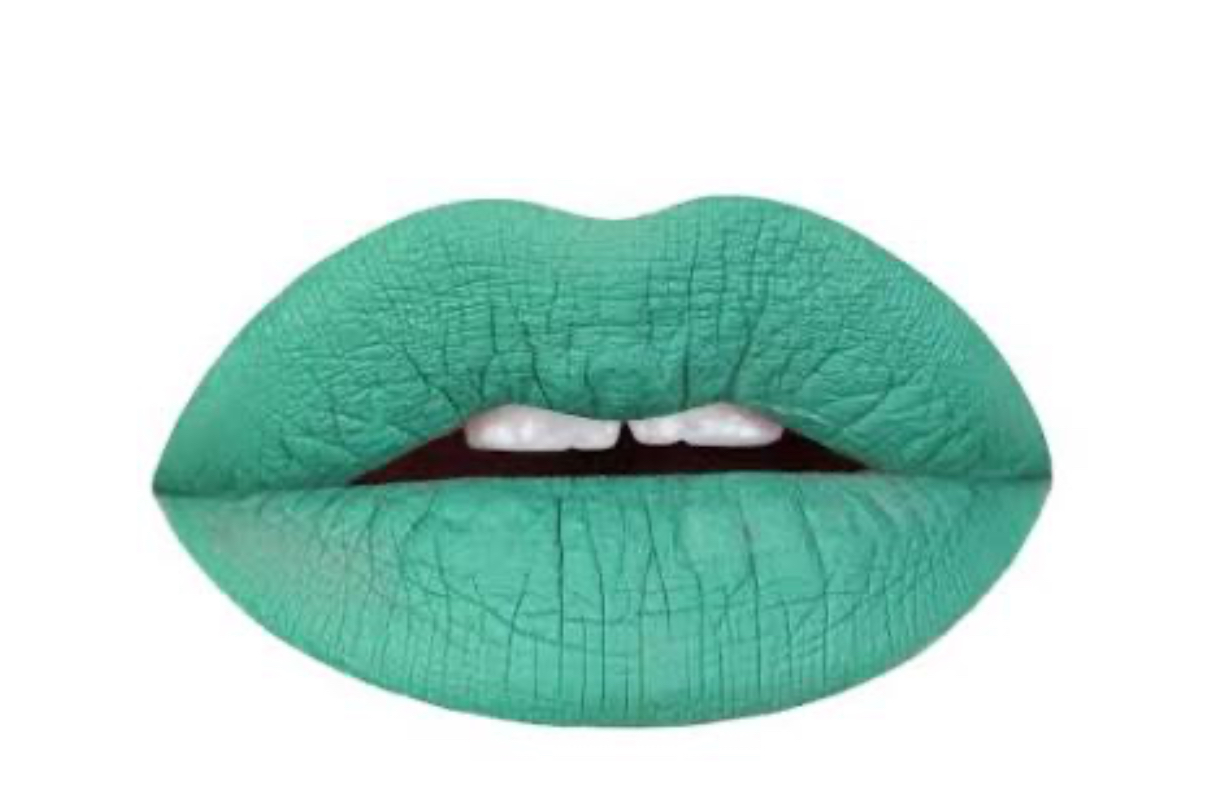
Figure 1: Color cosmetic textures such as foundation, BB cream, cushion or lipstick. Visual appearance supports physical screening but does not verify stability or antioxidant performance.
4. Stability, Preservation and Antioxidant Support in Makeup
Water-containing makeup such as liquid foundation, BB cream and cushion cream requires preservation. A published study on an ultrasound-optimized green tea–rosemary extract reported that a cosmetic emulsion containing the polyphenol-rich extract maintained oxidative stability and microbial safety, showed acceptable physical stability with no phase separation or creaming, remained within acceptable pH range, and met ISO 11930 preservation efficacy criteria; the extract also showed antioxidant activity and broad-spectrum antimicrobial activity [3]. This supports the investigation of polyphenol-rich botanical extracts as multifunctional stability contributors, although the tested material was a combined green tea–rosemary extract rather than a single green tea extract.
Anhydrous makeup such as lipstick, balm and stick products has lower water activity and may be assessed as lower microbiological risk under ISO 29621 guidance, but oxidation of the oil/butter phase, colour stability and odour stability still require product-specific testing. In emulsion makeup, green tea catechins may help inhibit lipid oxidation; in anhydrous systems, the protective effect depends on the oil-compatible form and must be confirmed by peroxide value or other suitable oxidation markers.
Packaging should protect the finished makeup from light and air. Airless pumps, opaque containers and protective stick barrels help limit catechin oxidation and colour drift. Accelerated and real-time stability protocols should track appearance, colour (ΔE), odour, pH where applicable, viscosity, preservative efficacy and EGCG retention.
Figure 2: Color cosmetic stability, pigment compatibility and preservation testing. Finished-product testing is required; raw-material data do not replace product-specific verification.
5. Active Contribution and Use-Level Calculation
As with other green tea applications, the delivered active depends on the extract assay and reporting basis. Using the same basis:
EGCG in formula (%) = inclusion level of the extract (%) × EGCG assay of the extract (%) ÷ 100
For example, if a liquid foundation contains 2.0% of a water-soluble extract standardized to 50.0% EGCG on an as-supplied basis, the nominal EGCG contribution is 1.0% (2.0 × 50.0 ÷ 100). If an oil-soluble extract at 25.0% EGCG is used at 2.0% in a lipstick base, the nominal EGCG contribution is 0.5% (2.0 × 25.0 ÷ 100). Final acceptance should rely on finished-product assay, because pigments, pH and processing can influence recovery.
6. Claim Boundaries for Green Tea Makeup
Color cosmetics are regulated as cosmetics in the EU under Regulation (EC) No 1223/2009 [5], and claims must meet the common criteria in Regulation (EU) No 655/2013 [6]. A makeup product may claim “antioxidant care,” “helps protect skin from environmental free radicals,” “soothing,” “brightening / more even skin-tone appearance,” or “comfort” when supported by finished-product evidence.
Claims should not imply treatment of skin disease. “Anti-aging” and “brightening” claims are acceptable only as cosmetic claims with adequate substantiation; they must not be presented as medical or drug effects. Supplier ingredient pages may list “anti-aging,” “whitening” or “melanin reduction” functions, but the finished product must rely on its own testing and regulatory review [4].
7. Buyer and QA Checklist for Makeup Projects
- Define the color format: liquid foundation, cushion, BB/CC cream, lipstick, lip balm, stick or blush.
- Select the correct green tea form: water-soluble extract for emulsion makeup; oil-compatible extract / green tea wax / oil for anhydrous; encapsulated EGCG for low colour impact.
- Confirm botanical identity (Camellia sinensis leaf), specification and assay method (HPLC preferred).
- State the marker: EGCG, total catechins or total polyphenols, with reporting basis (dry or as-supplied).
- Set the inclusion level and calculate the nominal EGCG contribution.
- Evaluate pigment/metal compatibility; use chelators and avoid high pH.
- For water-containing makeup, verify ISO 11930 preservation efficacy.
- For anhydrous sticks/lipsticks, verify oxidation stability and low-risk microbiological assessment (ISO 29621).
- Track colour (ΔE), odour, pH, viscosity, emulsion integrity and EGCG retention through stability.
- Keep claims within cosmetic boundaries; substantiate antioxidant / brightening / urban-protection claims on the finished product.
Request Sample and Batch COA for Color Cosmetics
Share your makeup format, shade system and target catechin specification. Ask about a green tea extract sample, current batch COA, HPLC assay documentation, pigment-compatibility guidance and stability support for foundation, lipstick or BB cream.
Sample quantity, charges, shipping, stock status and documentation availability require confirmation for the selected grade.
Request Color-Cosmetics Sample via WhatsApp
Email: [email protected]
Frequently Asked Questions
Does green tea extract change the shade of foundation or lipstick?
Yes. Green tea extract can give formulations a yellow to light brown tint; in makeup this may shift the shade, especially in light-colored or white-based products. Use decolorized grades, encapsulated EGCG, lower use levels, or adjust the pigment system, and verify the final shade and colour stability by ΔE testing.
Can green tea extract be used in anhydrous lipstick or stick products?
Standard water-soluble green tea extract is not suitable for direct addition to anhydrous oils and waxes. Anhydrous color cosmetics require an oil-compatible green tea ingredient, oil-soluble polyphenols, or green tea wax / seed oil; alternatively, use water-soluble extract only in emulsion-type makeup such as liquid foundation or BB cream.
How do I prove an antioxidant or anti-pollution claim for green tea makeup?
Claims must be substantiated on the finished product under Regulation (EU) No 655/2013. Use product-specific antioxidant or anti-pollution testing, such as in vitro antioxidant assays, lipid-peroxidation assays or pollution-particle assays, rather than relying only on raw-material EGCG content. Preservative efficacy and stability data for the finished formula are also required.
References and Evidence Limits
[1]“Leaf to Lotion: the benefits of green tea in cosmetics.” Formula Botanica. Describes green tea extract powder, seed oil, wax and glycerite, with use in lip balms, creams, lotions and solid stick balms.
[2] Blueeyes Bio, “Green Tea Extract for Cosmetics: Formulation Guide.” Summarizes usage levels, EGCG ranges for water-soluble / oil-soluble / encapsulated grades, colour impact and stabilization strategies. (Internal pillar reference.)
[3]“Enhanced Antioxidant and Antimicrobial Activities of an Ultrasound-Optimized Green Tea–Rosemary Extract for Cosmetic Preservation.” Journal of Cosmetic Dermatology, 2026; PMC13254821; DOI: 10.1111/jocd.70972. Reports emulsion oxidative stability, physical stability, ISO 11930 preservation efficacy and antioxidant/antimicrobial activity for a combined green tea–rosemary extract.
[4]“Green Tea Extract EGCG - 84650-60-2.” Plamed Green Science Group / Knowde supplier dossier. Lists INCI Camellia Sinensis Leaf Extract, CAS 84650-60-2, antioxidant / anti-aging / whitening functions and Color Cosmetics / Lipstick applications.
[5]Regulation (EC) No 1223/2009 on cosmetic products.
[6]Regulation (EU) No 655/2013 laying down common criteria for the justification of claims used in relation to cosmetic products.
[7] ISO 11930:2019, Cosmetics — Microbiology — Evaluation of the antimicrobial protection of a cosmetic product.
[8] ISO 29621:2017, Cosmetics — Microbiology — Guidelines for the risk assessment and identification of microbiologically low-risk products.
Evidence limitation: The preservation and stability study cited tested a combined green tea–rosemary extract in a model cosmetic emulsion, not a single green tea extract or a finished commercial foundation or lipstick. Supplier dossiers describe ingredient functions but do not verify finished-product performance. Results do not confirm any Blueeyes Bio batch or customer makeup product, and claims must be substantiated on the finished cosmetic according to applicable market regulations.
Technical Summary
Blueeyes Bio’s color-cosmetics framework matches green tea ingredient form to the makeup system: water-soluble extract for emulsion foundation and BB cream, and oil-compatible extract, oil-soluble polyphenols or green tea wax for anhydrous lipstick and sticks. Qualified development requires pigment/metal compatibility control, pH and chelator management, ISO 11930 preservation for aqueous systems, oxidation and low-risk assessment for anhydrous systems, and finished-product substantiation of antioxidant or brightening claims under Regulation (EU) No 655/2013.


