


Marine Collagen Peptides Supplier Qualification: Auditing the Batch COA and Molecular-Weight Report
Qualifying a marine collagen peptides supplier takes more than comparing a headline protein percentage or an average molecular-weight number. A defensible audit connects four things: documented fish source identity, a batch-specific COA with stated test methods, a molecular-weight report that shows distribution rather than a single average, and contaminant data matched to the destination market.
Buyers should also confirm how protein is calculated (dry basis or as supplied), how solubility and odor were tested, and whether the evaluated sample represents the grade and process that will be supplied in bulk. This guide sets out that audit step by step.
Written by Blueeyes Bio Technical Content Team
Publisher: Blue Eyes Biotech Co., Ltd.
Technical scope: supplier qualification, batch COA review and incoming quality control for nutraceutical manufacturing.
1. Qualification Is a Different Question from Formulation
Choosing between marine and bovine collagen, or selecting a molecular-weight range for a beverage, is formulation work. Supplier qualification asks a prior question: can this supplier repeatedly deliver the documented material you evaluated, at the grade you approved, with evidence your QA team can file?
Start discussions with your intended application and documentation requirements formarine collagen peptides bulk supply for nutraceutical manufacturers, then work through the audit areas below before price negotiation. A low quotation built on an undefined grade is not comparable with a quotation tied to a signed specification.
2. Step One: Verify Source Identity Before Any Number
“Marine collagen” describes a source category, not a species. A COA that says only “fish collagen” does not establish species, tissue or origin, and it cannot support a species-specific label claim.
| Document or Declaration | What to Check | Audit Concern |
|---|---|---|
| Species and tissue statement | Named fish species, tissue used (for example skin or scales) and whether sources are blended. | A generic “marine” declaration cannot support a species-specific claim such as tuna. |
| Origin and traceability | Country or region of raw-material origin and lot traceability from intake to finished powder. | Untraceable blended lots complicate contaminant review and recall response. |
| Allergen and dietary statements | Fish allergen declaration and the basis for any Halal, Kosher or sustainability claim. | Certificates must match the legal entity, site, product scope and validity dates. |
| Process description | Hydrolysis approach, any deodorization or decolorization steps, drying and milling. | “Enzymatic hydrolysis” alone does not define the peptide profile or sensory result. |
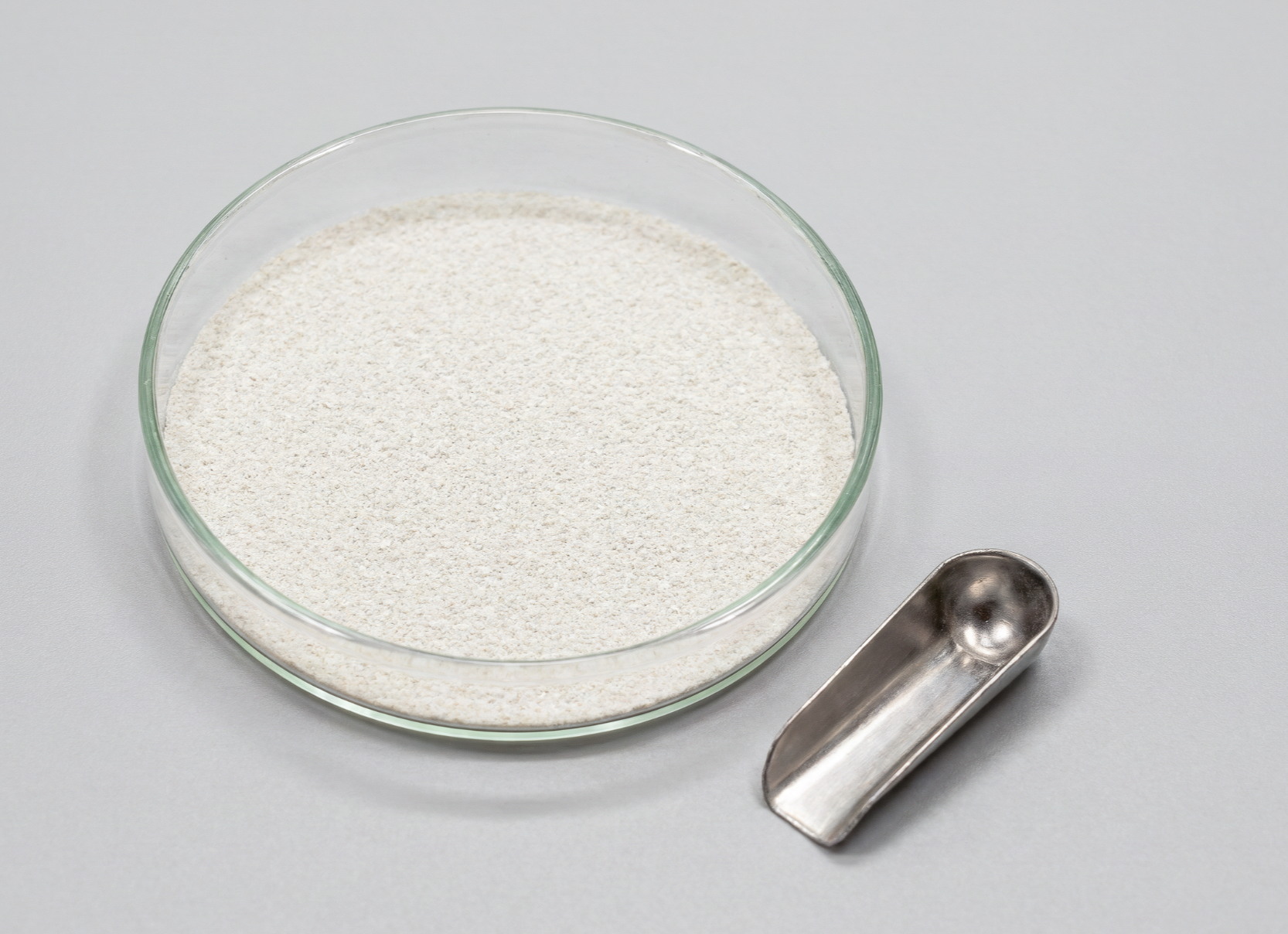
Figure 1: Powder appearance is a useful incoming-QC observation, but color and texture alone cannot verify fish species, protein content or peptide distribution.
3. Step Two: Read the Batch COA Line by Line
A COA is evidence for one identified lot at one point in time. Before reviewing results, confirm that the product name, grade, lot number, manufacturing or test date and specification version all match the material offered. A representative COA can support initial screening, but approval should rest on the COA for the lot actually supplied.
Protein: establish the calculation basis
Protein results are not comparable until the basis is known. Ask whether the value is reported on a dry basis or as supplied, and request the moisture result used in the calculation. The relationship is:
Protein, dry basis (%) = protein as supplied (%) × 100 ÷ (100 − moisture %)
Example for calculation only: a lot with 90.0% protein as supplied and 6.0% moisture corresponds to about 95.7% protein on a dry basis. When you calculate how much protein a formula actually receives, convert back to the as-supplied basis.
Also ask which nitrogen-to-protein conversion factor the laboratory used. Kjeldahl and Dumas methods measure nitrogen, not protein directly. For the same nitrogen result, a factor of 6.25 produces a value about 12.6% higher than a factor of 5.55. Neither factor should be assumed silently; the COA or method should state it, and the factor should suit the material and specification.
Hydroxyproline can support identity review because it is characteristic of collagen, but it is not a stand-alone purity proof. Interpret it together with the amino-acid profile, protein result and source documentation rather than as a universal pass mark.
Physical and microbiological lines
- Moisture and ash: needed to interpret protein basis, storage behavior and mineral load.
- Particle size and bulk density: relevant to blending, encapsulation and packaging; ask for the sieve or density method used.
- Microbiology: confirm organisms tested, limits, methods and numeric or absence results appropriate to the intended food or supplement use.
- Appearance and odor: useful only when the evaluation method is described; “pass” without conditions is difficult to reproduce at incoming inspection.
4. Step Three: Audit the Molecular-Weight Report, Not Just the Average
An average molecular weight below a target does not mean every peptide is below that target. Two lots can share the same average while having very different proportions of small peptides and larger fragments. For a detailed explanation of sizing methods, see ourmarine collagen peptides molecular weight and quality-control guide.
- Method: identify the SEC/GPC-HPLC setup and the calibration standards used; results shift with calibration choice.
- Distribution: request the proportion within defined ranges, not only a mean or a “less than” statement.
- Calculation convention: ask how peak fractions were calculated. Detector area percentage is not automatically the same as mass fraction.
- Specification match: the agreed limit, the reported result and the test method must refer to the same grade and lot.
- Do not equate a smaller average automatically with proven superior clinical efficacy. Human evidence varies by preparation, dose and study design; later systematic reviews have reported mixed results across study-quality subgroups, so grade selection should rest on documented composition and application testing rather than absorption slogans.
5. Step Four: Test Solubility and Sensory Claims Under Stated Conditions
“100% soluble” and “odorless” are incomplete claims unless the test conditions travel with them. For incoming QC or supplier comparison, record:
- Ingredient concentration and water or vehicle composition;
- Water temperature, mixing method and mixing time;
- Resting time before judging clarity, sediment or surface residue;
- How color was assessed (visual comparison, photograph with a blank, or an instrumental method with concentration and path length stated);
- How odor was evaluated, recognizing that an informal sniff test is a screening observation, not a standardized sensory study.
Repeat the check in your actual beverage, powder blend or capsule process. A water-only screen does not predict performance with acids, minerals, flavors or other proteins. For beverage-specific issues such as fishy off-notes and clarity, see ourodorless marine collagen RTD beverage formulation guide.

Figure 2: A clear solution under one set of screening conditions supports a defined solubility check; it does not by itself prove performance at every concentration, temperature or formula pH.
6. Step Five: Match Contaminant Testing to the Destination Market
Request numeric results, units, methods and reporting limits for the contaminant panel agreed for your product and market. A result reported only as “pass” may be acceptable for internal screening, but it limits independent review.
- Elemental impurities: agree which elements are tested and by which method; interpret limits against the food or supplement rules of the destination market.
- Framework discipline: pharmaceutical elemental-impurity frameworks such as USP <232>/<233> describe testing approaches and pharmaceutical limits; they do not automatically define food-supplement limits for every market.
- Standards language: distinguish “tested using a named method” or “meets a stated specification” from third-party certification. A certificate should identify the certified site, scope and expiry.
- For source-selection context when comparing animal origins, review our marine vs bovine collagen formulation guide before finalizing the specification.
7. Step Six: Lock Sample-to-Bulk Consistency and Change Control
- Record the sample grade, lot number, specification version and date received.
- Agree which specification defines acceptance of production lots, and retain a reference sample where practical.
- Define notification requirements for changes in species, tissue, origin, hydrolysis process, manufacturing site or test method.
- Require a lot-specific COA with each shipment and reconcile it against the approved specification before release.
- Set requalification triggers, such as a new source, a failed lot, a long supply interruption or a change in destination market.
Request a Sample and the Current Batch COA
Share your application, target molecular-weight profile, protein-basis requirement and destination market. Ask about a sample of the proposed grade, the COA for the batch under consideration and the supporting molecular-weight report.
Sample quantity, charges, shipping, stock status and available documentation require confirmation for the selected grade.
Request Sample & Batch COA via WhatsApp
Email: [email protected]
Frequently Asked Questions
Does a high protein percentage prove marine collagen quality?
No. First establish whether protein is reported on a dry or as-supplied basis, which nitrogen conversion factor was used, and whether the COA matches the supplied lot. Review source identity, molecular-weight distribution, physical performance and contaminant data together.
Does an average molecular weight below 2,000 Da mean all peptides are below 2,000 Da?
No. An average is a summary statistic. Request the distribution across defined molecular-weight ranges, the SEC/GPC calibration approach and the calculation convention before comparing suppliers.
Does “marine collagen” on a COA prove that the material is tuna collagen?
No. Require a species and tissue declaration supported by traceability documentation. A generic marine or fish description should not be converted into a species-specific sourcing or label claim.
References and Evidence Limits
[1]Skov K, et al. “Enzymatic Hydrolysis of a Collagen Hydrolysate Enhances Postprandial Absorption Rate—A Randomized Controlled Trial.” Nutrients, 2019. A small crossover study of specific preparations; it does not establish a universal advantage for every marine grade.
[2]Pu SY, et al. “Effects of Oral Collagen for Skin Anti-Aging: A Systematic Review and Meta-Analysis.” Nutrients, 2023. Background on oral collagen research; individual product performance still requires grade- and formula-specific evidence.
[3]“Effects of Collagen Supplements on Skin Aging: A Systematic Review and Meta-Analysis of Randomized Controlled Trials.” The American Journal of Medicine, 2025. Pooled findings differed in higher-quality and non-industry-funded subgroups, which is why efficacy claims should not be inferred from molecular weight alone.
[4]Commission Regulation (EU) 2023/915 on maximum levels for certain contaminants in food. Contaminant acceptance must be checked against the food category and market that apply to the finished product.
Evidence limitation: this guide is a supplier-qualification framework, not a certification of any Blueeyes Bio lot. Verify the current specification, batch COA and supporting reports for the exact grade under consideration. This article does not report company batch results.
Technical Summary
Blueeyes Bio’s qualification framework for marine collagen peptides starts with species and tissue identity, then verifies the lot-specific COA, protein calculation basis, SEC/GPC molecular-weight distribution, defined solubility testing and market-matched contaminant data. Approval should be locked to an agreed specification with change notification, so the evaluated sample and future bulk lots remain comparable.


